States of the Republic
Eight states. One nation. Each carries its own history, its own character, and its own contribution to the life of the Republic. Together, they are what the Democratic Republic of the Yoruba is made of.
Federal Administrative Structure
The Democratic Republic of the Yoruba operates under a federalist governance model consciously drawn from the Yoruba tradition of confederal governance — in which independent city-states and kingdoms maintained their sovereignty while cooperating for common security, justice, and prosperity. Each constituent state retains meaningful legislative autonomy over regional development, cultural affairs, and local economic strategy. National cohesion is maintained through the shared Sovereign Constitution, the Citizens' Assembly, and the Council of Custodians — not through centralised control.
Executive Autonomy
Each state is led by a Governor with full executive authority over state-specific mandates, regional treasury management, and local administration. The Governor is accountable to both the citizens of their state and to the national constitutional framework.
Traditional Council Integration
The Council of Obas and traditional leaders in each state holds formal constitutional status — not as ceremonial figureheads, but as governance partners with recognised roles in land administration, dispute resolution, and cultural preservation. Legitimate governance in the DRY flows from both electoral mandate and ancestral covenant.

The Regional Governance Accord
Constituent States

Oyo
The Cradle of Civilization
Oyo State is one of the most historically important Yoruba states. Its identity is rooted in the legacy of the old Oyo Empire, the rise of Ibadan as a powerful Yoruba city, and the cultural strength of Oyo, Oke-Ogun, Ibarapa, Ogbomoso, and Ibadan communities. Today, Oyo remains a major agricultural, educational, commercial, and cultural centre in Southwestern Nigeria.

Ogun
The Gateway to Commerce
Ogun State is one of the most historically important Yoruba states in Democratic Republic of the Yoruba. It carries the identity of the Gateway State because of its location between Lagos, the Republic of Benin, and other parts of Nigeria. The state combines deep Yoruba heritage with strong industrial growth, making it both a cultural homeland and a major manufacturing centre. Its major groups, including the Egba, Ijebu, Remo, Yewa, and Awori, give Ogun a rich regional identity rooted in trade, education, traditional rulership, agriculture, and enterprise.

Eko (Lagos)
The Center of Excellence
Lagos State is the commercial heartbeat of Democratic Republic of the Yoruba and one of Africa’s most important urban regions. Although it is the smallest D.R.Y state by land area, it carries huge economic, cultural, and historical importance. Its identity combines indigenous Yoruba heritage, especially Awori and coastal Yoruba roots, with a powerful modern image as Nigeria’s centre of business, finance, entertainment, technology, shipping, and urban development.
Osun
State of the Living Spring
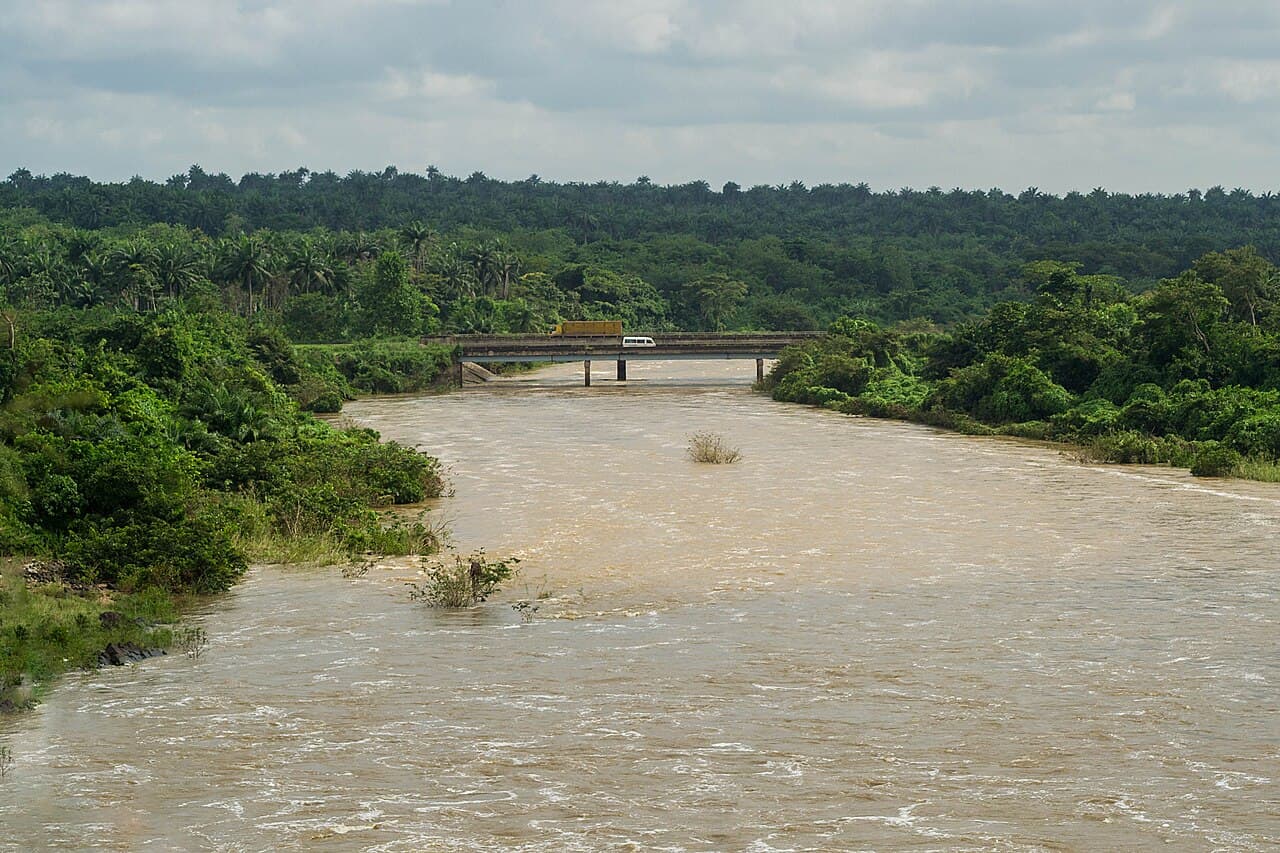
Osun State is one of the spiritual and cultural centres of Yorubaland. Its identity is deeply connected to Ile-Ife, the ancestral home of the Yoruba people, and to the sacred River Osun. The state is known for traditional religion, festivals, ancient kingdoms, adire and textile crafts, agriculture, education, tourism, and strong Yoruba cultural preservation. Its creation in 1991 gave political recognition to a region with deep historical roots in Yoruba civilization.
Ekiti
The Land of Honor
Ekiti State is one of the core Yoruba states of Democratic Republic of the Yoruba. Its identity is rooted in ancient Yoruba towns, strong traditional institutions, education, agriculture, and cultural pride. Known as the Land of Honour and Integrity, Ekiti combines a deep historical connection to Yoruba civilization with a modern focus on farming, tourism, education, agro-processing, and community development.

Ondo
The Land of Sunshine
Ondo State is one of the key Yoruba states of Democratic Republic of the Yoruba, carrying a strong identity rooted in ancient kingdoms, traditional rulership, agriculture, coastal life, and cultural diversity. The state’s history is shaped by major Yoruba communities such as Akure, Ondo, Owo, Akoko, Ikale, Ilaje, and Idanre, with riverine groups like Apoi and Arogbo also contributing to its cultural landscape. Its nickname, “The Sunshine State,” reflects its public identity as a land of warmth, natural beauty, agriculture, and cultural pride.

Okun
The Agricultural Heartland
Okunland represents the Yoruba-speaking region of Kogi State. The Okun people share deep cultural, linguistic, and historical ties with the wider Yoruba nation, while also carrying a unique North-Central identity because of their location in Kogi State. Their communities are known for agriculture, education, traditional rulership, dialect diversity, and a strong sense of Yoruba heritage west of the Niger River.
Oyo Atijo
The Ancient Capital
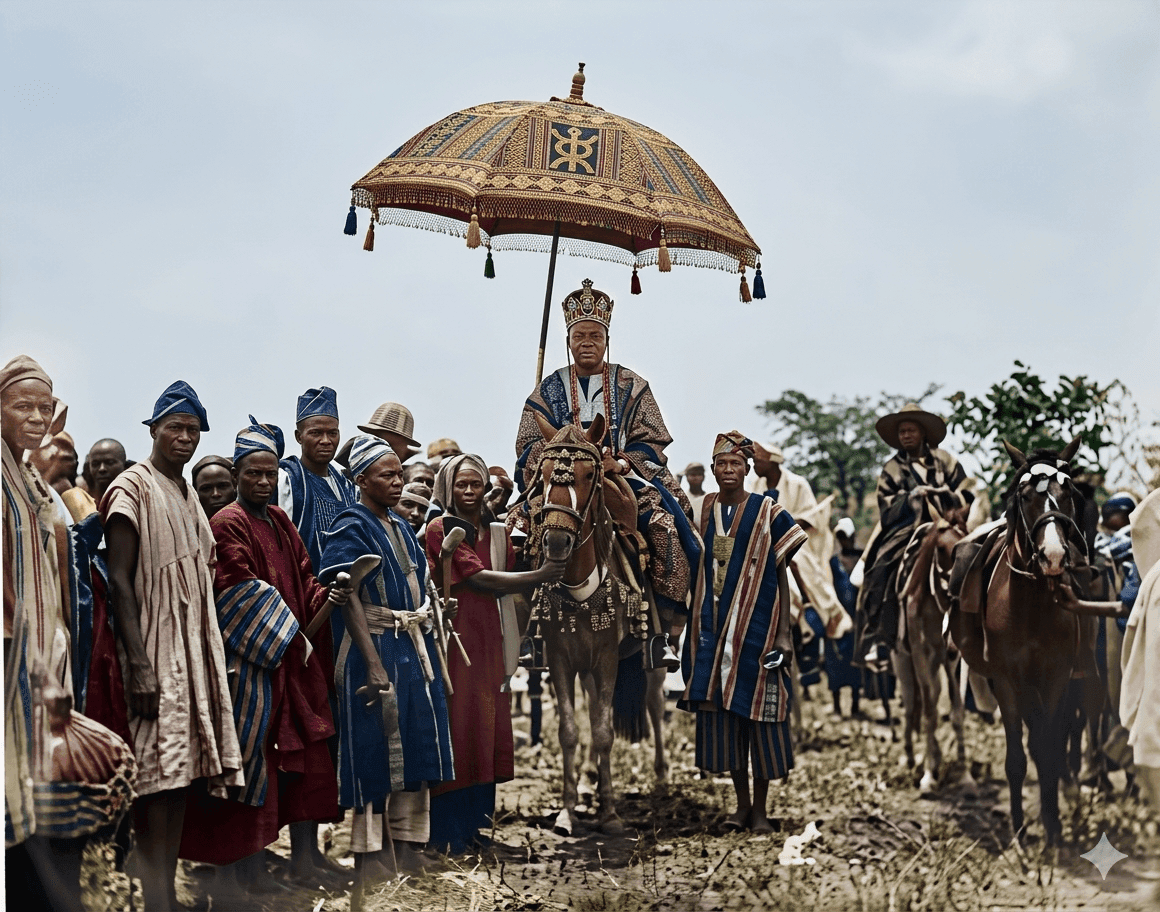
Oyo Atijo State represents the ancient northern wing of Yorubaland, rooted in the history of the Old Oyo Empire and the Yoruba-speaking communities of present-day Kwara State. With Jeba/Jebba as the proposed capital, the state would stand as a bridge between the Yoruba Southwest and the River Niger corridor. Its strength lies in agriculture, trade, education, cultural heritage, cashew processing, textile crafts, and its historical connection to the power and memory of Old Oyo.
Invest in the Republic
The natural and human resources of the Democratic Republic of the Yoruba — gold, lithium, bitumen, petroleum, fertile agricultural land, and the creative and intellectual energy of over 40 million people — are now under the governance and development authority of the Republic itself. We welcome ethical, development-focused investment partnerships that serve the interests of our citizens and the growth of our nation. Investment enquiries and regional development partnership requests may be directed through the National Investment Bureau.